
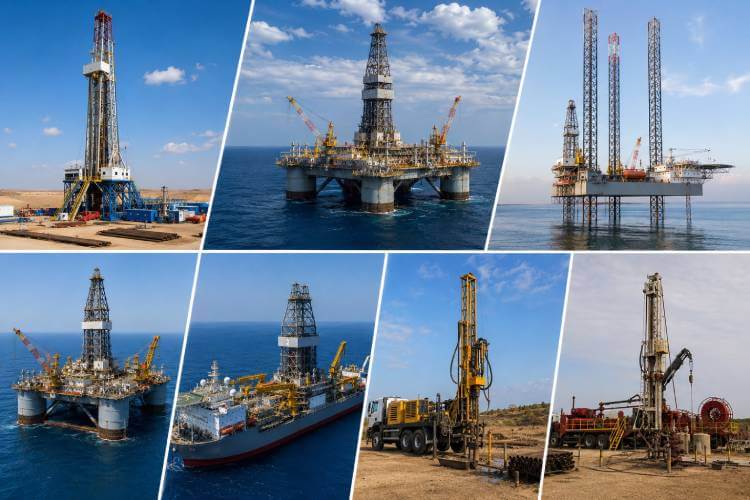
Choosing the right drilling rig is a key part of any successful drilling project. Each project has different requirements based on location, drilling depth, ground conditions, safety needs, and operational goals. For this reason, understanding the main types of drilling rigs can help companies select the right equipment, reduce risks, and improve overall efficiency.
In this guide, we explain the most common drilling rig types, how they are used, and what factors should be considered before choosing a rig for oil and gas, water well, geothermal, mining, or construction-related drilling projects.
What Is a Drilling Rig?
A drilling rig is a machine or complete equipment system used to create boreholes in the ground or seabed. These boreholes may be used for oil and gas extraction, water wells, geothermal energy, mineral exploration, soil investigation, or infrastructure projects.
A drilling rig usually includes several important systems, such as the mast or derrick, drill string, hoisting system, rotary system, mud circulation system, power supply, control systems, and well control equipment. These components work together to drill safely, remove cuttings, manage pressure, and support stable operations.
Main Types of Drilling Rigs
Land Drilling Rigs
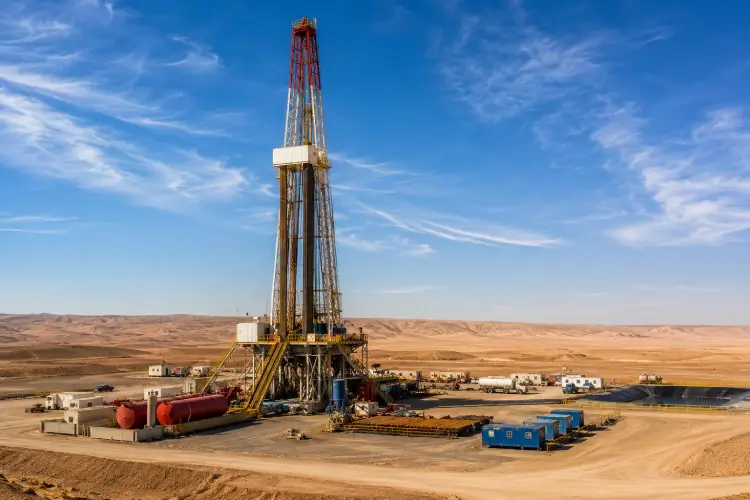
Land drilling rigs are used for onshore drilling operations. They are installed on land and are commonly used in oil and gas fields, water well drilling, geothermal drilling, mining exploration, and geotechnical projects.
These rigs can range from small mobile units to large heavy-duty rigs designed for deep wells. Land rigs are generally easier to move and set up than offshore rigs, but they still require proper site preparation, reliable power supply, safety equipment, and skilled operators.
Common uses:
Land rigs are suitable for onshore oil and gas drilling, water wells, geothermal wells, mining exploration, and construction-related drilling.
Offshore Drilling Rigs
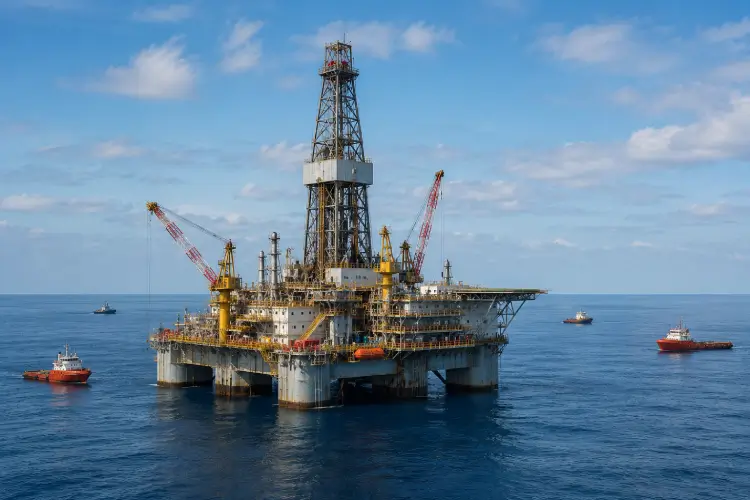
Offshore drilling rigs are used to drill below the seabed in marine environments. These rigs are designed for oil and gas exploration and production in shallow, deep, and ultra-deep waters.
Offshore drilling is more complex than land drilling because the rig must operate in challenging conditions such as waves, wind, currents, water depth, and seabed pressure. Offshore rigs often require advanced positioning systems, well control equipment, marine support, and strict safety procedures.
Common uses:
Offshore rigs are mainly used for oil and gas projects in seas, oceans, and other offshore locations.
Jack-Up Rigs
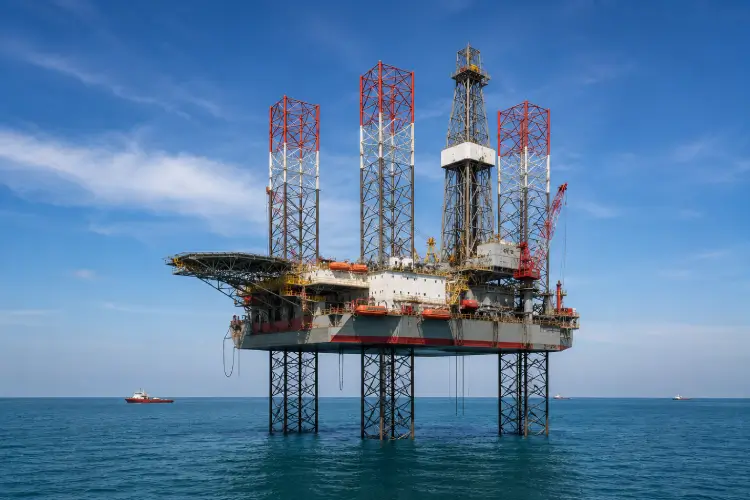
Jack-up rigs are mobile offshore rigs commonly used in shallow water. They have long legs that can be lowered to the seabed. Once the legs are firmly positioned, the platform is lifted above the water surface to create a stable working area.
Jack-up rigs are popular because they provide good stability and can be moved from one offshore location to another. However, they are limited by water depth and are not suitable for deepwater projects.
Common uses:
Jack-up rigs are ideal for shallow offshore oil and gas drilling.
Semi-Submersible Rigs
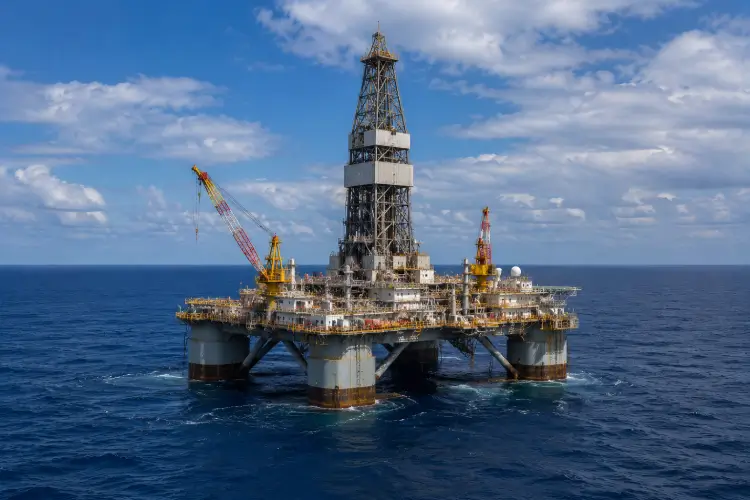
Semi-submersible rigs are floating offshore drilling units designed for deeper waters and rough sea conditions. They are partially submerged and use ballast systems to maintain stability during drilling operations.
Because of their stable design, semi-submersible rigs are often used in deepwater environments where jack-up rigs cannot operate. They can handle more difficult offshore conditions and are commonly used for exploration and development wells.
Common uses:
Semi-submersible rigs are suitable for deepwater drilling, offshore exploration, and harsh marine environments.
Drillships
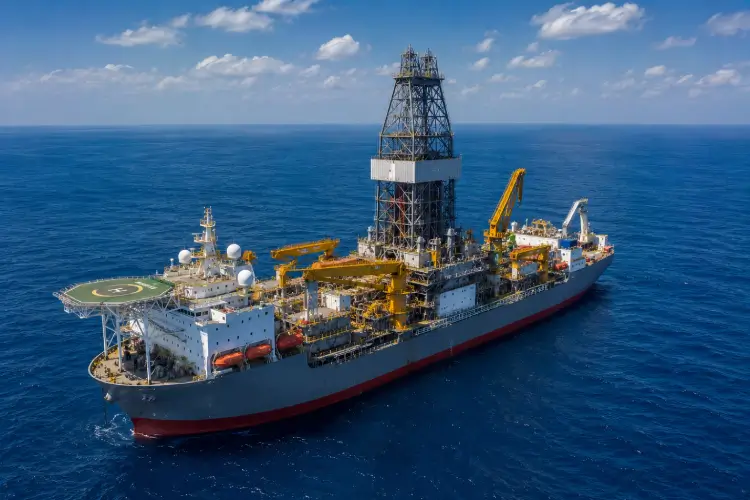
Drillships are specially designed ships equipped with full drilling systems. They are highly mobile and can travel independently between drilling locations. This makes them useful for deepwater and ultra-deepwater exploration.
Drillships use dynamic positioning systems to stay in place while drilling. They are often selected for projects that require fast movement between offshore locations and advanced drilling capabilities.
Common uses:
Drillships are used for deepwater and ultra-deepwater oil and gas exploration.
Mobile Drilling Rigs
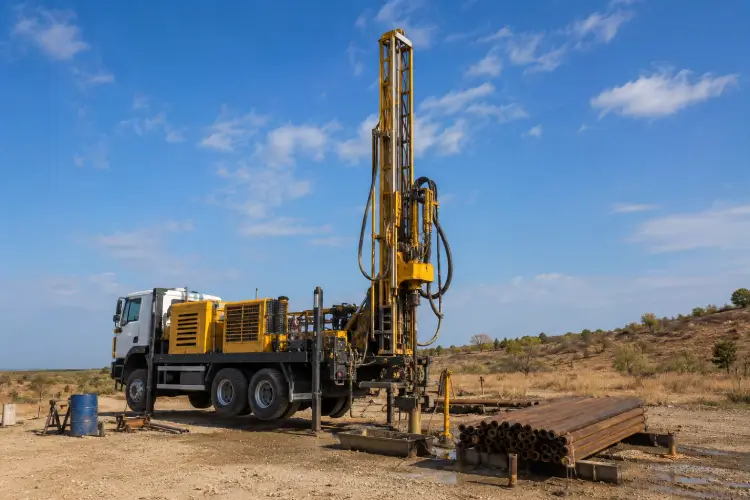
Mobile drilling rigs are designed for easy transport and fast setup. They may be mounted on trucks, trailers, or crawler systems. These rigs are commonly used for smaller or medium-scale drilling projects.
Their main advantage is flexibility. They can be moved between job sites quickly, making them suitable for projects where speed, accessibility, and mobility are important.
Common uses:
Mobile rigs are used for water wells, geotechnical drilling, shallow exploration, construction projects, and remote site operations.
Workover Rigs
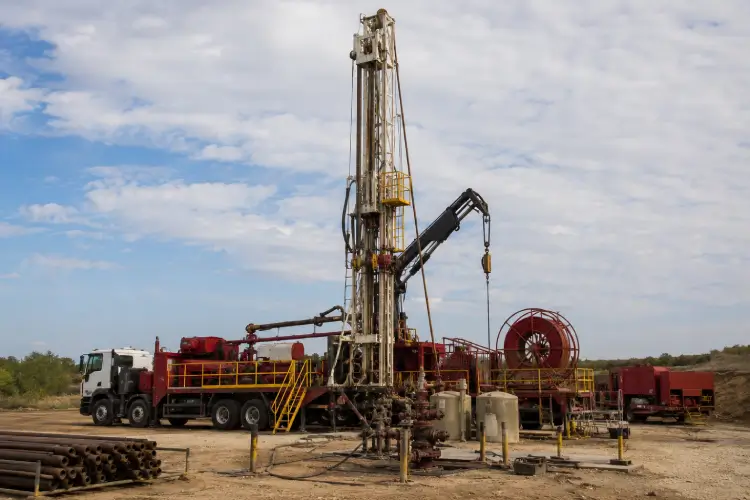
Workover rigs are used for maintenance, repair, and improvement of existing wells. Unlike drilling rigs used to create new wells, workover rigs help restore or improve the performance of wells that are already in operation.
They may be used for cleaning wells, replacing equipment, repairing casing, removing blockages, or supporting production enhancement activities.
Common uses:
Workover rigs are used for well servicing, maintenance, repair, and production support.
How to Choose the Right Drilling Rig?
Selecting the right drilling rig depends on the technical and operational needs of the project. Before choosing a rig, companies should consider the drilling location, required depth, soil or rock formation, mobility requirements, available power supply, pressure control needs, safety standards, project timeline, and total operating cost.
For example, a shallow water offshore project may require a jack-up rig, while a deepwater exploration project may need a semi-submersible rig or drillship. For onshore projects, a land rig or mobile rig may be more practical depending on depth, site access, and project scale.
Working with a reliable drilling equipment supplier can help project teams select the right rig, tools, handling systems, mud systems, power supply units, and safety equipment.
Why Drilling Rig Selection Matters?
Choosing the wrong drilling rig can lead to delays, higher operating costs, safety risks, and poor drilling performance. The right rig improves efficiency, supports safer operations, and helps the project stay on schedule.
A good rig selection process also ensures that the supporting equipment matches the project requirements. This includes drill strings, handling tools, mud systems, power units, well control equipment, chemicals, and instrumentation.
Choosing the Right Rig for Safer Drilling Operations
Different drilling rig types are designed for different environments and project needs. Land rigs, offshore rigs, jack-up rigs, semi-submersible rigs, drillships, mobile rigs, and workover rigs each serve a specific purpose.
Understanding these drilling rig types helps companies make better decisions, improve safety, reduce unnecessary costs, and complete drilling projects more efficiently. Whether the project is onshore or offshore, choosing the right rig and support equipment is essential for successful drilling operations.
Looking for reliable drilling equipment for your project? Contact our team today to find the right rig, tools, and support systems for your drilling operations.
Frequently Asked Questions
Setup time depends on the drilling rig type, site condition, access road, rig size, power supply, and safety preparation. In a Drilling Rig Types Explained guide, setup time is important because mobile rigs, land rigs, and offshore rigs have very different preparation requirements.
Before selecting a drilling rig, project teams should define the target depth, borehole diameter, formation type, location access, expected pressure, mud system requirements, lifting capacity, and safety equipment needs.
Some rigs can support different drilling projects if the depth, hole size, formation, and equipment capacity match the job. However, a rig designed for shallow or light-duty work may not suit deep, high-pressure, or offshore operations.
A drilling rig often needs mud pumps, mud tanks, drill pipes, handling tools, power units, well control equipment, solids control equipment, and safety systems. The exact package depends on the drilling program.
The total cost depends on rig type, drilling depth, location, mobilization distance, crew requirements, power demand, drilling fluid system, well control needs, and project duration. This is why many Drilling Rig Types Explained articles also compare rig selection factors before discussing project cost.