
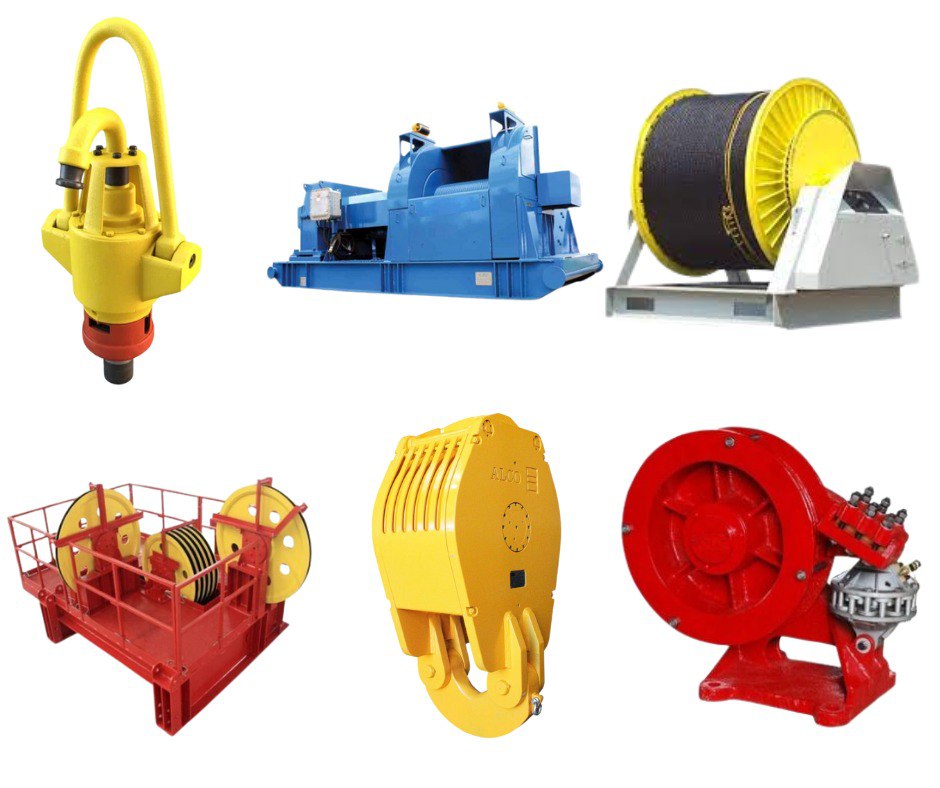
In oil and gas drilling, the drill string is the backbone of the operation — connecting the surface equipment to the drill bit deep underground. It plays a vital role in torque transfer, fluid circulation, and directional control. Choosing the right drill string components and maintaining them properly can significantly impact drilling efficiency, safety, and cost-effectiveness.
Looking to upgrade your drill string system?
What is a Drill String?
A drill string is an assembly of connected components that transmits mechanical energy from the rig to the drill bit. It also provides a path for drilling fluids to travel downhole and return cuttings to the surface.
Main Components of a Drill String:
- Drill Pipe – Hollow steel pipes that make up the majority of the drill string, transmitting torque and drilling fluids.
- Heavy-Weight Drill Pipe (HWDP) – Positioned between the drill collars and drill pipe to reduce stress and provide smoother weight transfer.
- Drill Collars – Heavy, thick-walled pipes that provide weight on bit (WOB) for effective penetration.
- Stabilizers – Tools that centralize the drill string in the borehole, reducing vibration and deviation.
Functions of a Drill String
- Torque Transmission
- Transfers rotary motion from the top drive or rotary table to the drill bit.
- Transfers rotary motion from the top drive or rotary table to the drill bit.
- Drilling Fluid Circulation
- Delivers drilling fluid (mud) to the bit and returns cuttings to the surface.
- Delivers drilling fluid (mud) to the bit and returns cuttings to the surface.
- Weight on Bit (WOB)
- Applies controlled downward force on the bit to improve penetration rates.
- Applies controlled downward force on the bit to improve penetration rates.
- Directional Control
- Works with downhole tools to steer the wellbore accurately.
- Torque Transmission
Maintaining Your Drill String
Proper maintenance can dramatically extend the lifespan of your drill string and reduce costly downtime:
- Regular Inspections – Check for wear, cracks, and thread damage.
- Thread Protection – Use thread protectors during storage and transport.
- Cleaning and Lubrication – Prevent corrosion and galling.
- Rotation of Components – Rotate drill pipes to distribute wear evenly.
Handling Tools for Drill Strings
Efficient and safe handling of drill strings is critical for maintaining operational safety and protecting your equipment. Our comprehensive range of handling tools is designed to make pipe handling faster, safer, and more precise on the rig floor.
- Safety Clamps – Provide secure grip to prevent drill pipe slippage during handling operations.
- Stabbing Guides – Ensure perfect alignment for smooth and damage-free pipe connections.
- Power Tongs – Deliver the torque needed to make or break drill pipe connections efficiently.
- Slip Lifters – Safely lift and position slips without physical strain.
- Spinners – Rapidly spin drill pipes for faster and more consistent makeup and breakout.
Need reliable handling tools for your drill string operations?
Get Reliable Drill Strings
Drill strings are more than just a collection of pipes — they are the lifeline of drilling operations. Selecting high-quality components, maintaining them properly, and using the right handling tools ensures maximum performance, safety, and cost-efficiency.
Upgrade your drill string for better performance in your next drilling project.