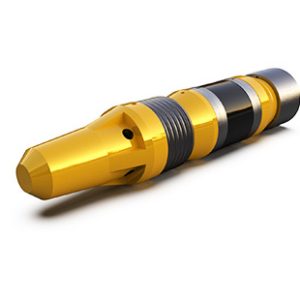
casing float shoe
| Type | What it does (1-line) | Valve | Fill-up | Best for |
|---|---|---|---|---|
| Auto Fill-up Float Shoe (Conventional / Non-Rotating) | Auto-fills while running; reduces surge; closes after activation | Single / Double | Auto → back-pressure after activation | Long strings; tight ECD windows |
| Differential Fill-up Float Shoe | Controlled fill while running; lowers swab/surge | Single / Double | Differential | Depleted zones; narrow pressure windows |
| Float Shoe — Single Valve | Prevents backflow during cementing | Single | Standard | Standard jobs |
| Float Shoe — Double Valve | Redundant barrier against backflow | Double | Standard | Tough wells; long strings |
| Guide Shoe | Centers/guides casing for smooth run-in | None | N/A | When float function isn’t required |
| Reamer Shoe — Single Valve | Reams ledges/tight spots + back-pressure control | Single | Standard | Ledges; doglegs |
| Reamer Shoe — Double Valve | Reaming plus redundant backflow barrier | Double | Standard | Critical runs |
| Stab-in Float Shoe (without latch-in profile) | Stab-in cementing via drill pipe; faster placement | Stab-in profile | Stab-in | Large-OD strings; heavy/viscous slurries |
| Up-Jet Float Shoe | Directs flow upward; improves wash/coverage above shoe | Single / Double | Standard | Better top coverage |
| Side-Jet Float Shoe | Lateral flow creates turbulence; reduces channeling | Single / Double | Standard | Displacement efficiency |
| Down-Jet Float Shoe | Directs flow downward for bottom cleaning | Single / Double | Standard | Clean shoe track |
Unsure about grade? Share mud type and well section. We’ll recommend the casing float shoe to buy.