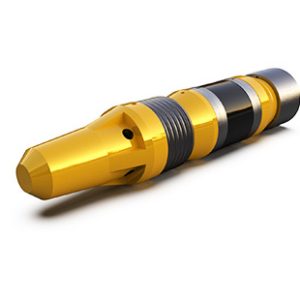
Conventional Aluminum Insert Cementing Plug
A clean cementing job needs controlled fluid movement inside the casing. Therefore, this plug keeps the cement slurry separate from the fluid ahead of it and helps the crew manage displacement more accurately.
As the plug travels through the casing, the rubber fins wipe the inner surface and push remaining fluid forward. Also, the aluminum insert keeps the plug stable under pumping pressure. After the job, the crew can drill it out easily with a PDC bit.
Product Snapshot
| Point | Detail |
|---|---|
| Used For | Casing cementing |
| Main Role | Fluid separation and casing wiping |
| Insert | Aluminum |
| Body | Rubber compound |
| Drill Out | PDC-compatible |
| Program Type | Single or dual plug jobs |
| Size Range | Based on casing requirement |
Field Use
This plug works well in cementing programs that need clean displacement, stable movement, and quick drill-out. In addition, teams can choose it for different casing sizes, fluid systems, and temperature ranges.
Selection Details
Contact us with your casing size, plug type, temperature range, and fluid details so our team can recommend the most suitable option for your cementing program.
FAQ
When should crews use this plug?
Crews use this plug during casing cementing when they need clean separation between fluids.
Why does the plug have rubber fins?
The fins wipe the casing wall and move fluid ahead of the cement.
Why does the plug use an aluminum insert?
The aluminum insert gives strength during pumping and keeps drill-out simple.
What details help us recommend the right option?
Casing size, plug requirement, temperature, fluid type, and job program help us choose the right option.