
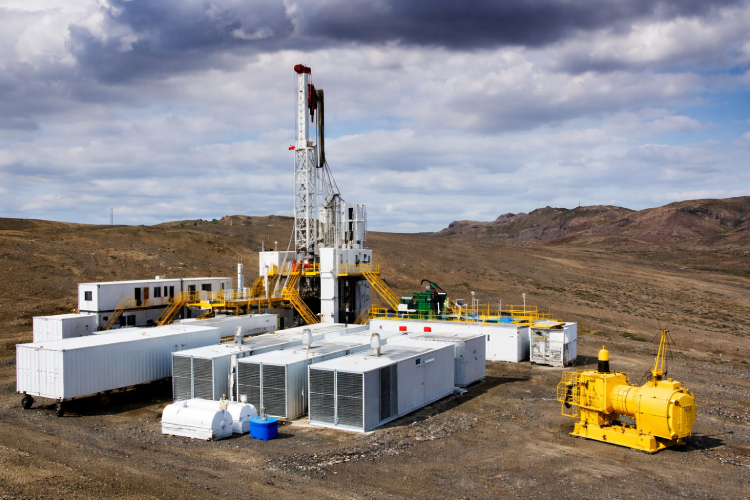
Choosing the right drilling rig for onshore projects is one of the most critical decisions in oil and gas operations. The wrong equipment can lead to delays, safety risks, and increased operational costs, while the right rig improves efficiency, safety, and overall project performance.
This guide explains how to evaluate and select the best drilling rig based on project conditions, technical requirements, and long-term operational goals.
Understanding Project Requirements Before Selecting a Drilling Rig for Onshore Projects
Before selecting any equipment, project parameters must be clearly defined:
- Well depth and drilling type
- Geological conditions
- Onshore terrain and accessibility
- Operational timeline
A drilling rig for onshore projects must match real field requirements, not just availability.
Hoisting Systems in a Drilling Rig for Onshore Projects
Hoisting equipment plays a central role in rig performance and safety.
Key factors include:
- Hook load capacity
- Drawworks performance
- Traveling block efficiency
Reliable hoisting systems reduce operational downtime and improve lifting safety in demanding environments.
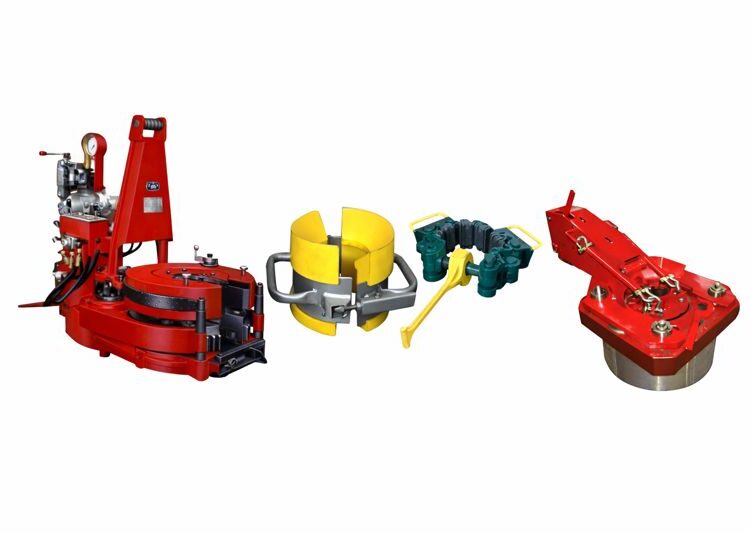
Rotary Systems and Performance Optimization
Rotary systems directly affect drilling efficiency and penetration rates.
Important considerations:
- Torque output
- Rotary table vs top drive
- Compatibility with drill string
Modern rotary equipment enhances drilling precision and reduces mechanical stress across operations.
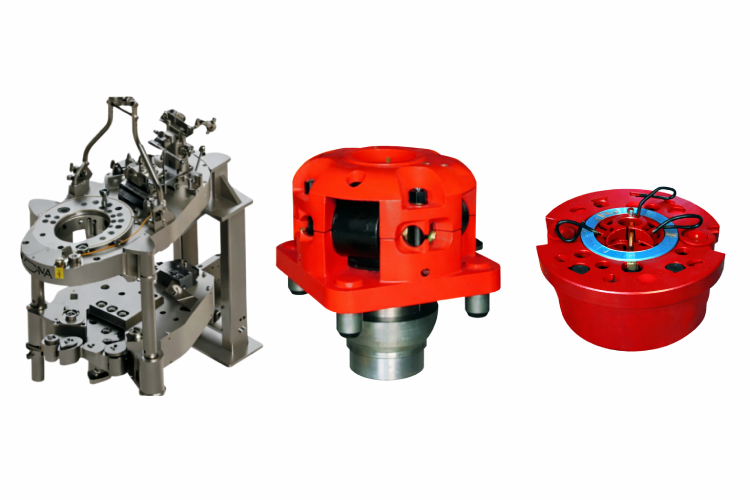
Role of Winches in Onshore Rig Operations
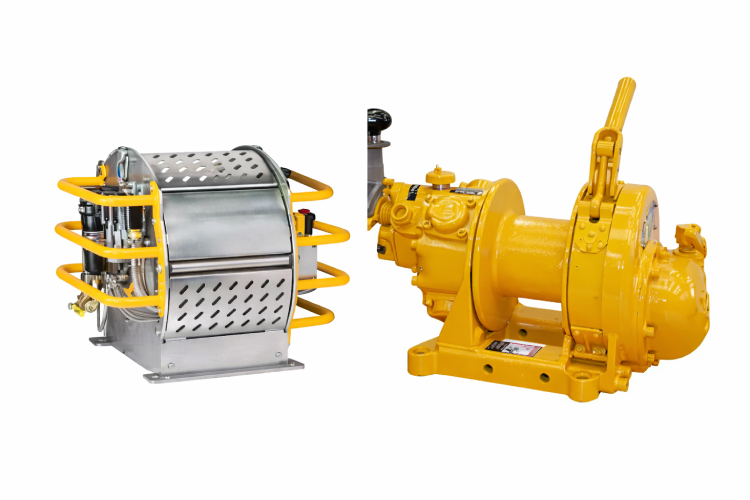
Winches support material handling, pipe movement, and equipment positioning across the drilling site.
Selection should be based on:
- Load requirements
- Frequency of use
- Site conditions
A well-matched winch system improves safety and operational workflow.
Cost Factors When Choosing a Drilling Rig for Onshore Projects
The total cost of a drilling rig goes beyond the purchase price.
Key cost elements:
- Maintenance requirements
- Equipment lifespan
- Downtime risk
- Energy consumption
Investing in reliable rig equipment often reduces long-term operational expenses.
Compliance and Reliability Standards
A drilling rig for onshore projects must meet international oilfield standards:
- API compliance
- Continuous operation reliability
- Proven field performance
Certified equipment significantly reduces operational risk.
Selecting the Right Equipment Supplier
The supplier plays a major role in project success.
A qualified drilling equipment supplier should provide:
- Technical consultation
- Equipment configuration support
- Global logistics capability
- After-sales support
Choosing the right partner ensures long-term operational stability.
Essential Components in a Drilling Rig for Onshore Projects
A complete rig setup typically includes:
- Hoisting equipment
- Rotary systems
- Drilling rigs
- Winches
- Handling tools
Integration of these components determines overall drilling performance.
When to Upgrade Your Drilling Rig Equipment
Signs that indicate equipment replacement or upgrade:
- Increasing downtime
- Reduced drilling efficiency
- Frequent maintenance issues
- Higher operational costs
Upgrading to modern equipment improves safety and productivity.
When to Upgrade Your Drilling Rig Equipment
Signs that indicate equipment replacement or upgrade:
- Increasing downtime
- Reduced drilling efficiency
- Frequent maintenance issues
- Higher operational costs
Upgrading to modern equipment improves safety and productivity.